




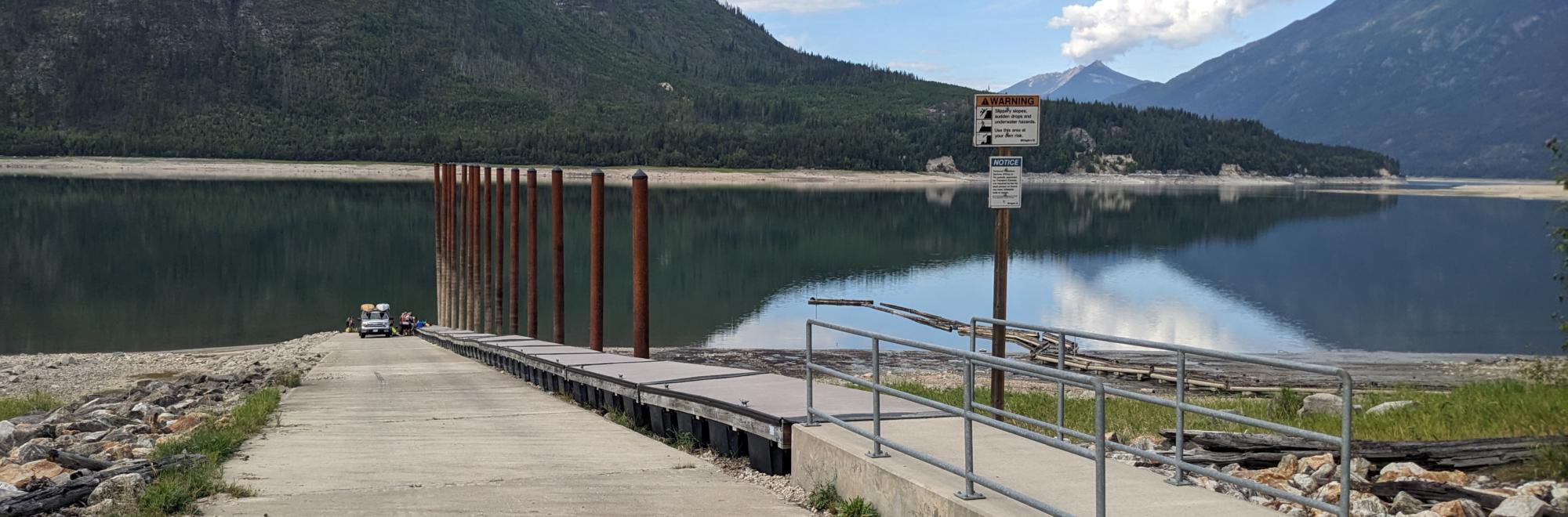
In a time of drought, a modernized Columbia River Treaty offers hope
Wildsight works to protect wildlife, water and wild places in Canada’s Columbia and Rocky Mountain regions.
Learn more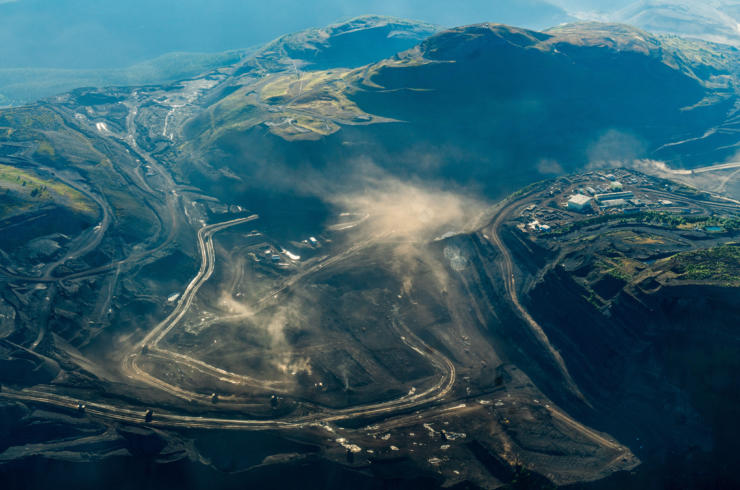
Help make sure these polluters pay
April 16, 2024
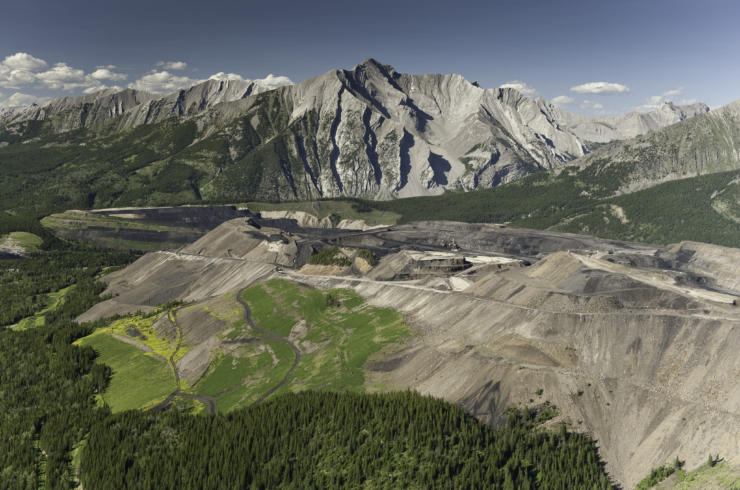
‘Clean it up or pay’ — that’s the clear message that British Columbians want to send the mining industry, according to new Wildsight-commissioned polling from Research Co.Read more
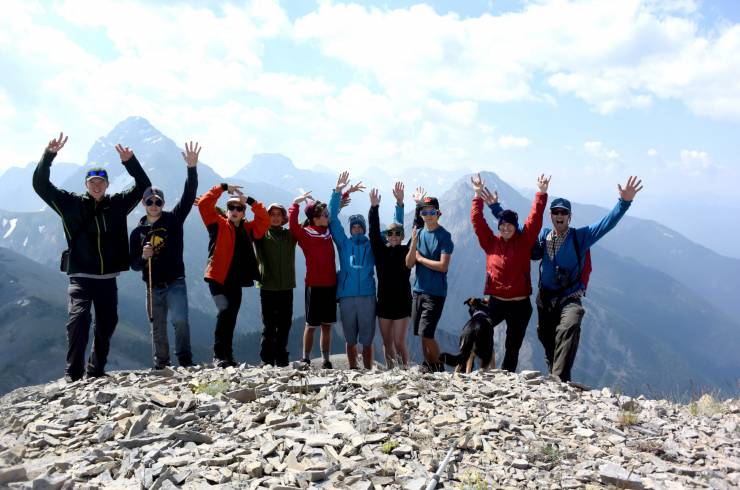
Go Wild! open for applications
April 4, 2024
Go Wild! challenges youth 14-18 on a six-day wilderness backpacking trip into the spectacular Kootenay backcountry. Go Wild! isn’t just a backpacking trip: it’s an education in backcountry camping and hiking that teaches students the wilderness skills needed to safely plan and undertake mountain expRead more
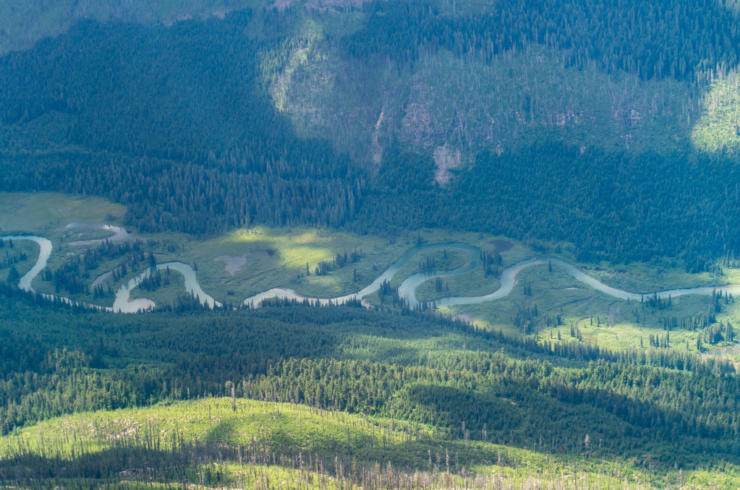
Our plane hovers at 9,000 feet above the massive glaciers of British Columbia’s northern Monashee Mountains. It’s hot and cramped in this…Read more
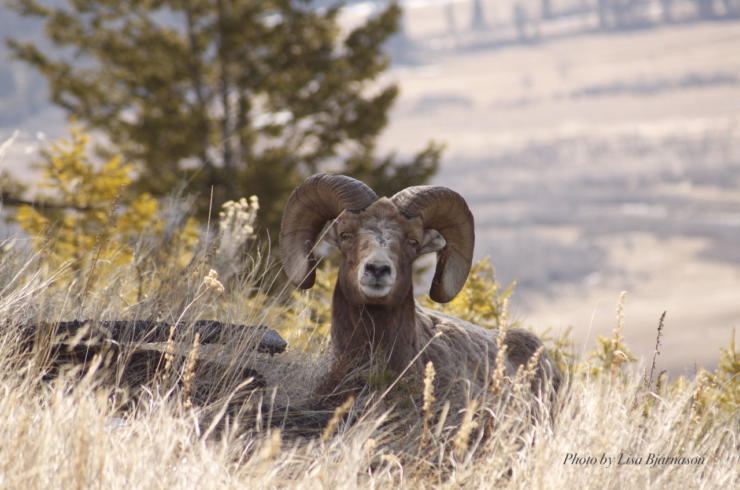
Location: Invermere, BC
Start Date: May 2024 (flexible)
Pay: $20-$23 per hour depending on experience, 35 hours per week
Duration: 8-16 weeks…Read more
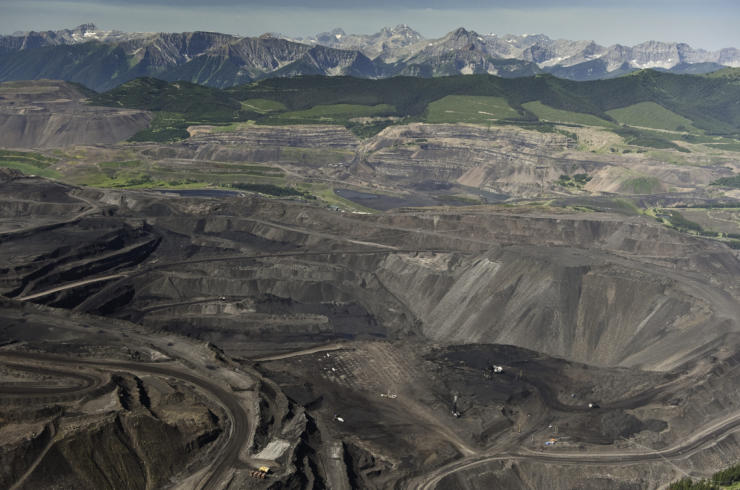
A new Wildsight-commissioned report has revealed it will cost at least $6.4 billion to reverse rising selenium concentrations in Canadian and United States waterways due to toxic runoff from British Columbia’s Elk Valley coal minesRead more
Our work

Upcoming events
Gardening in a Drought
Invermere Branch
In partnership with Groundswell and Old Blue Truck Farm
Worried about your garden this year? Wanting to reduce your water… View event
Corn Creek Bird Walk 2024
Creston Valley Branch
On the lead up to the the Creston Valley Bird Festival, we are having spring bird walks. Come out to… View event
Wild Spaces Recreation Dialogues: Elk biology — Golden
Golden BranchRegional
Do you spend time out on the trails or in the backcountry and want to learn more about the wildlife… View event
Wildsight Kimberley Cranbrook AGM
Kimberley & Cranbrook Branch
It's time for the Wildsight Kimberley Cranbrook Annual General Meeting and we're looking forward to connecting with you! View event
May 2024 Turtle Fence Work Bee
Creston Valley Branch
Come join us to put up a turtle fence at the Creston Valley Wildlife Management Area. This fence is installed… View event
Gardenless Growing
Invermere Branch
No garden? No problem! Learn about ground-free growing alternatives for a variety of spaces and budgets, then put it… View event